 Indochina travel guides All travel guides of Vietnam, Cambodia, Laos, Thailand, Myanmar.
Laos, a landlocked gem in Southeast Asia, offers backpackers an unparalleled adventure filled with breathtaking landscapes, rich culture, and warm hospitality. With its picturesque mountains, tranquil rivers, and charming towns, this country provides an escape from the more commercialized tourist destinations in the region. Whether you’re trekking through lush jungles, exploring ancient temples, or sampling delicious street food, Laos promises a unique experience for every traveler. This guide will help you prepare for an unforgettable backpacking journey through this enchanting country.
Exploring Laos: An Introduction to Backpacking Adventures
Laos is often referred to as the “Land of a Million Elephants,” a name that reflects its rich wildlife and natural beauty. Backpackers can immerse themselves in stunning scenery, from the limestone karsts of Vang Vieng to the serene banks of the Mekong River. The slow pace of life in Laos invites travelers to explore at their leisure, making it an ideal destination for those seeking a more laid-back experience. Visitors can engage with local communities, learn about traditional customs, and appreciate the country’s diverse ethnic makeup.
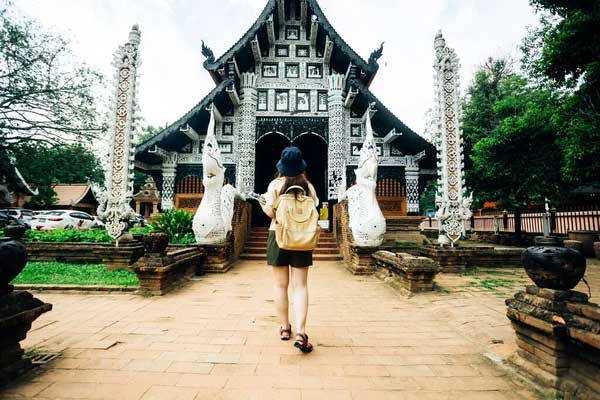
The country’s history, predominantly marked by its colonial past and the influence of Buddhism, adds depth to any journey through Laos. Key historical landmarks, such as the Plain of Jars and the ancient city of Luang Prabang, are testaments to its rich cultural heritage. Additionally, the French colonial architecture found in many cities is a reminder of the nation’s complex history. Backpackers can explore this tapestry of culture while enjoying the friendly interactions with locals, who are often eager to share their stories.
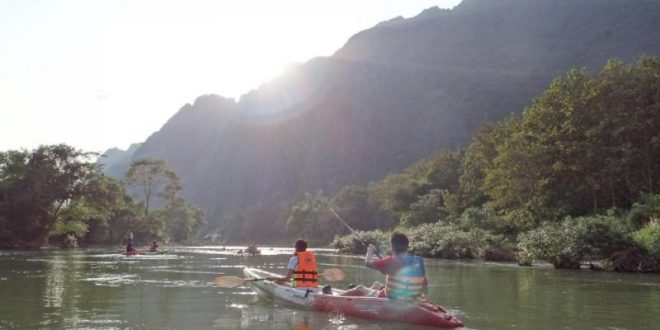
Laos offers a myriad of activities for adventurous souls, including trekking, kayaking, and caving. The Nam Ou River, for instance, provides an exciting opportunity for kayaking enthusiasts, while trekkers can navigate through the jungles of northern Laos. Popular trekking routes often lead to hidden waterfalls and traditional villages, allowing travelers to experience the natural beauty and cultural diversity that the country has to offer.
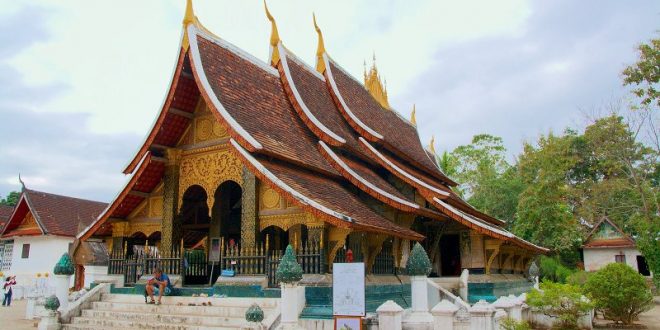
For those who enjoy spirituality and reflection, Laos is home to thousands of temples that welcome visitors. Wat Phu and Wat Xieng Thong are just two examples of the stunning religious sites that embody the architectural brilliance of the country. Engaging with local monks or participating in traditional ceremonies can enrich a traveler’s experience and foster a deeper understanding of Lao culture.
As a backpacker in Laos, flexibility is key. The country’s laid-back attitude extends to its travel infrastructure, encouraging spontaneous adventures. While popular routes exist, exploring off the beaten path might lead to discovering hidden gems that many tourists overlook. Overall, the allure of Laos lies in its ability to provide both relaxation and adventure, making it a perfect choice for backpackers.
Ultimately, Laos is a destination that transcends mere sightseeing. It invites travelers to connect with the land, its people, and their stories. With the right planning and an open mind, backpacking through Laos can be a profound experience, filled with unforgettable moments that linger long after the journey ends.
Essential Gear for Your Backpacking Journey in Laos
When preparing for a backpacking trip to Laos, selecting the right gear is crucial to ensure comfort and convenience. First and foremost, invest in a high-quality backpack that can accommodate your essentials without being overly cumbersome. A 50-to-70-liter pack is generally ideal for longer treks, offering enough space for clothing, camping gear, and other travel necessities.
Clothing choices should prioritize comfort and versatility. Lightweight, breathable fabrics are essential, as the heat and humidity can be intense, especially during the day. Quick-dry shirts, long-sleeved tops for sun protection, and a good pair of hiking pants will serve you well. Additionally, packing a lightweight waterproof jacket can be a lifesaver during the rainy season, which typically lasts from May to October.
Footwear is another critical consideration. Invest in a sturdy pair of hiking boots or shoes that provide good ankle support and traction. Many trails in Laos can be rocky or uneven, making proper footwear crucial for both safety and comfort. A pair of flip-flops or sandals can also be beneficial for casual wear or for relaxing at guesthouses after a long day of trekking.
Accessories can significantly enhance your backpacking experience in Laos. A reliable water filter or purification tablets are essential for keeping hydrated, as tap water is often not safe to drink. Carrying a reusable water bottle not only reduces plastic waste but also allows for easy refills throughout the day. Additionally, a compact first-aid kit stocked with basic medications, band-aids, and insect repellent is advisable for any outdoor adventure.
Don’t overlook technological needs, particularly for navigation and communication. A portable charger and a power bank can ensure that your devices remain functional during long journeys. Many travelers also find a lightweight travel towel and a sleeping bag useful, especially if you plan to stay in budget accommodations or go camping.
Lastly, consider bringing a guidebook or downloading offline maps on your smartphone. Navigating through rural areas or smaller towns can be challenging, and having a reliable resource can help you discover local attractions and hidden spots. By equipping yourself properly, you can focus on enjoying your backpacking adventure in Laos without the concern of being unprepared.
Navigating Laos: Transportation Options for Travelers
Navigating Laos can be an adventure in itself, with a variety of transportation options available to backpackers. The most common way to travel between cities is by bus, with both local and VIP bus services offering routes to major destinations. Local buses are cheaper but often less comfortable, while VIP buses generally provide a more pleasant experience with air conditioning and reclining seats. Booking tickets in advance is recommended, especially during peak travel seasons.
For the more adventurous, renting a motorbike is a popular option for exploring Laos at your own pace. Many travelers opt for this method to reach remote villages and scenic spots that are often overlooked by public transportation. However, it’s essential to have an international driver’s license and to wear a helmet for safety. Be aware of the road conditions, as some rural paths can be challenging to navigate.
Tuk-tuks and songthaews (shared taxis) are also widely available in urban areas. Tuk-tuks are great for short distances, while songthaews can take you longer distances at a lower cost. Negotiating fares before starting a ride is common, so be prepared to haggle a bit. For those traveling in groups, hiring a songthaew for a day can be a cost-effective and fun way to explore.
In addition to road travel, river transportation is a unique way to experience Laos’s stunning landscapes. The Mekong River, for instance, plays a significant role in transportation, with slow boats connecting various towns. A popular route runs from Luang Prabang to Huay Xai and offers breathtaking views of the surrounding countryside. Travelers should book these trips in advance, especially during peak tourist seasons.
For those interested in air travel, there are several domestic flights connecting major cities. While more expensive than other forms of transport, flying can save valuable time for those with limited schedules. Airlines such as Lao Airlines and VietJet operate flights to and from Vientiane, Luang Prabang, and Pakse. Booking in advance is advisable to secure the best rates.
Ultimately, the choice of transportation in Laos depends on your budget, time constraints, and travel preferences. Regardless of how you choose to get around, embracing the journey is a crucial part of the backpacking experience in this beautiful country. The diverse modes of transport not only provide convenience but also allow for engaging encounters with locals and fellow travelers along the way.
Must-Visit Destinations for Backpackers in Laos
Laos is brimming with captivating destinations ideal for backpackers seeking adventure and cultural immersion. One of the most renowned is Luang Prabang, a UNESCO World Heritage Site known for its stunning temples and vibrant street markets. Here, visitors can witness the daily alms-giving ceremony, a sacred tradition where monks collect food offerings from locals. The charming French colonial architecture also adds to the town’s allure, making it a perfect place to explore on foot or by bicycle.
Vang Vieng, often dubbed the adventure capital of Laos, is another must-visit destination for backpackers. Nestled between stunning karst mountains and the Nam Song River, Vang Vieng offers a plethora of outdoor activities. Kayaking, tubing, and rock climbing are popular among thrill-seekers. The surrounding area is also home to numerous caves and lagoons, making it an ideal spot for nature lovers and explorers alike.
For those seeking tranquility, the 4,000 Islands (Si Phan Don) in the Mekong River is a serene getaway. This archipelago offers a relaxed atmosphere, where travelers can rent bicycles to explore the islands or take boat trips to spot the endangered Irrawaddy dolphins. The laid-back vibe and stunning sunsets make it a perfect spot for unwinding after a busy travel itinerary.
The Plain of Jars, located in Xieng Khouang Province, presents a fascinating archaeological site that is still shrouded in mystery. The massive stone jars scattered across the landscape are believed to date back to the Iron Age, and their origins and purpose remain topics of debate among historians. Visiting this site offers a unique glimpse into Laos’s ancient history and an opportunity to engage with local communities.
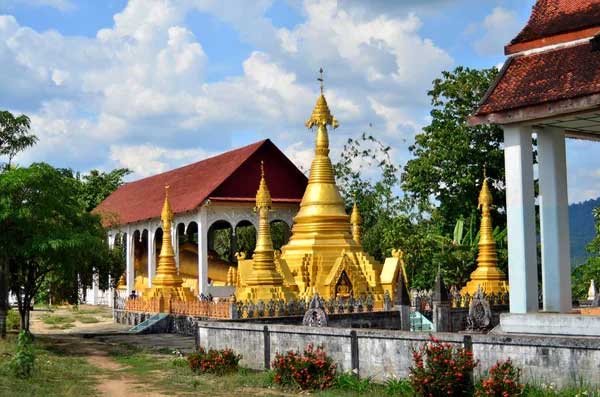
The capital city, Vientiane, may often be overlooked, but it offers a charming mix of culture and relaxation. Key attractions include the Pha That Luang, a golden stupa regarded as the national symbol of Laos, and the Patuxai, an archway reminiscent of Paris’s Arc de Triomphe. The city’s riverside promenade is perfect for leisurely walks, where visitors can enjoy sunset views and sample delicious street food.
Finally, for those who wish to experience Laos’s breathtaking natural beauty, don’t miss the Bolaven Plateau. This region is known for its stunning waterfalls, coffee plantations, and ethnic villages. Trekking here allows travelers to immerse themselves in the lush landscapes and interact with local communities, creating a memorable experience that truly captures the essence of Laos.