 Indochina travel guides All travel guides of Vietnam, Cambodia, Laos, Thailand, Myanmar.
Laos, with its tranquil landscapes and rich cultural heritage, offers a vibrant tapestry of festivals that reflect the spirit and traditions of its people. Throughout the year, various celebrations occur, showcasing the deep-rooted customs and communal values of Laotian society. From the joyous festivities of the New Year to the reflective practices of Buddhist observances, these festivals provide a unique lens through which to experience the heart of Laos. Visitors to this Southeast Asian gem have the opportunity to engage with the local culture in meaningful ways, making their trips truly memorable.
Discover the Cultural Richness of Laos Through Festivals
Festivals in Laos are not merely events; they are profound expressions of community life, spirituality, and tradition. These celebrations often blend religious significance with local customs, creating a rich cultural tapestry that is unique to each region. From the bustling capital of Vientiane to the serene countryside, each festival offers a glimpse into the values and beliefs that shape Laotian society.
The country’s festivals are often tied to the lunar calendar, making them dynamic events that vary from year to year. This aspect adds an element of excitement, as locals and visitors alike can partake in the anticipation of upcoming celebrations. Many festivals are organized around agricultural cycles, honoring the spirits of the land and expressing gratitude for the bounty they provide.
Moreover, these events serve as an important platform for preserving traditional arts and crafts, music, and dance. Local artisans often showcase their works during festivals, allowing visitors to delve into the craftsmanship that has been passed down through generations. This connection to tradition fosters a sense of pride among communities and offers tourists an authentic experience through active participation.
The communal aspect of festivals cannot be overstated. They encourage gatherings of families and friends, strengthening social bonds in a country where community is paramount. Whether it’s sharing food or participating in games and rituals, these experiences forge connections that transcend cultural barriers.
In addition, festivals in Laos often involve multiple generations, with elders imparting wisdom to younger members. This passing of knowledge ensures that traditions are not only preserved but also evolve with the times, creating a vibrant cultural continuum. For travelers, witnessing this intergenerational exchange offers a profound understanding of Laotian life and values.
Ultimately, experiencing festivals in Laos provides an enriching opportunity to engage with the local culture and develop a deeper appreciation for the country’s diverse traditions. As we explore some of the most significant festivals, it becomes evident that each celebration is a reflection of the Laotian way of life—a mixture of joy, reverence, and communal unity.
The Unmissable Boun Pi Mai: Laos New Year Celebration
Boun Pi Mai, or Laos New Year, is undoubtedly one of the most anticipated festivals in the country, celebrated annually in mid-April. This three-day festival marks the beginning of the traditional Lao calendar and is a time of renewal and reflection. Communities come together to honor the past year while looking forward to the future, making it a joyous occasion filled with hope and positivity.
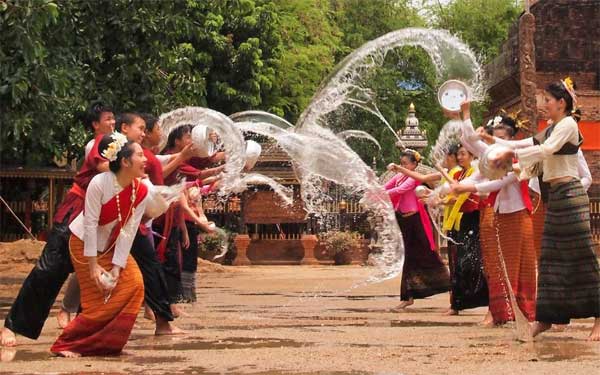
During Boun Pi Mai, water plays a central role in the festivities. Traditionally, people pour water over Buddha statues, symbolizing purification and the washing away of sins. This practice has evolved into playful water fights in the streets, where locals and tourists alike engage in spirited water battles, often using water guns and buckets. This fun-filled aspect of the festival fosters a sense of camaraderie among participants, breaking down social barriers and encouraging social interaction.
In addition to water festivities, Boun Pi Mai is characterized by the construction of sand stupas, known as “That Khao.” Families gather at local temples to build these structures as a way of paying respect to the spirits of their ancestors and seeking blessings for the new year. The sight of colorful offerings and intricately decorated stupas adds to the festive atmosphere, creating a vibrant backdrop for the celebrations.
Cultural performances, including traditional music and dance, are also integral to Boun Pi Mai. Local artists take the stage to showcase their talents, often performing dances that tell stories from Lao folklore. This not only entertains but also educates spectators about the rich narrative traditions of Laos, fostering cultural appreciation among the audience.
Furthermore, food plays a significant role during Boun Pi Mai celebrations. Families prepare traditional dishes and share them with friends and neighbors, reinforcing community bonds. This culinary aspect allows visitors to indulge in the flavors of Laos, with a variety of dishes ranging from sticky rice to spicy papaya salad, offering a mouth-watering experience that is both cultural and communal.
As the Lao New Year unfolds, the essence of Boun Pi Mai lies in its ability to unite people in celebration, reflection, and hope. The festival serves as a reminder of the importance of community, spirituality, and the simple joys of life, making it a must-experience event for anyone visiting Laos.
Vibrant Lanterns and Rituals at Boun That Luang Festival
Boun That Luang, a significant religious festival in Laos, is celebrated in November and is centered around the That Luang stupa in Vientiane. This revered monument is a symbol of Lao nationalism and Buddhism, drawing thousands of devotees and tourists alike. The festival is marked by vibrant rituals, intricate ceremonies, and the illumination of thousands of lanterns, creating a breathtaking spectacle that captivates all who attend.
The festival begins with the ceremonial procession of monks from various temples, who gather at the That Luang stupa to perform traditional rituals. These ceremonies include chanting and the offering of alms, emphasizing the spiritual significance of the event. Witnessing these rituals provides a deeper understanding of Lao Buddhism, showcasing the unwavering faith of the local community.
During Boun That Luang, the night sky becomes a canvas for colorful lanterns. Families and devotees release lanterns into the air, symbolizing the shedding of negativity and the welcoming of positive energy. This practice not only creates a stunning visual display but also serves as a communal act of hope and renewal, as participants send their wishes into the universe.
Alongside the spiritual activities, Boun That Luang features a vibrant night market where local artisans showcase handmade crafts and traditional food. This bustling market is a feast for the senses, offering visitors the chance to experience Laotian culture through its culinary delights and artisanal products. From fragrant street food to exquisite crafts, the market serves as a hub of local life and creativity.
Cultural performances are also a highlight of the festival, featuring traditional music and dance that celebrate Laotian heritage. These performances often depict stories from mythology and folklore, providing entertainment while preserving cultural narratives. Visitors are encouraged to participate, making it a lively and engaging experience that strengthens the connection between locals and tourists.
Ultimately, Boun That Luang is more than just a festival; it is a powerful expression of Laotian identity and spirituality. With its blend of rituals, communal activities, and cultural showcases, this festival provides a unique opportunity to witness the heart of Laos and engage with its people in a meaningful way.
Experience the Unique Traditions of Boun Khao Padththana
Boun Khao Padththana, celebrated annually in October, is a unique festival that marks the end of the rice-growing season and honors the spirits of the departed. This event reflects the deep connection between Laotians and their agricultural practices, as well as their reverence for ancestral spirits. It is a time for gratitude and reflection, celebrated with various rituals and communal activities that strengthen community ties.
The festival begins with families preparing offerings of rice and other food items to present to the spirits of their ancestors. This act of remembrance is a way to honor those who have passed, ensuring that their spirits are nourished and remembered. The preparation of these offerings is often a communal effort, with family members coming together to cook and create intricately designed rice cakes and other traditional dishes.
One of the festival’s highlights is the “khao padththana” ceremony, where participants construct elaborate food offerings and place them on banana leaves or trays. These offerings are then taken to local temples, where monks perform rituals to bless the food. This spiritual component emphasizes the importance of generosity and sharing within the community, as the blessed offerings are later distributed among the attendees.
In addition to the ceremonies, Boun Khao Padththana features vibrant cultural activities, including music, dance, and traditional games. These performances not only entertain but also serve as a medium for storytelling and cultural expression. Visitors are often invited to join in these festivities, creating an inclusive atmosphere that bridges cultural gaps and fosters understanding.
Food plays a central role in Boun Khao Padththana, with families sharing their offerings with neighbors and friends. This communal dining experience reinforces social bonds and reflects the spirit of generosity inherent in Lao culture. Traditional dishes are shared, allowing both locals and tourists to indulge in the flavors of Laos and appreciate the significance of food in Laotian society.
As the festival unfolds, the essence of Boun Khao Padththana lies in its ability to unify communities through shared traditions and remembrance. This celebration not only honors the agricultural roots of Laos but also invites visitors to engage in meaningful interactions with locals, deepening their understanding of Laotian culture.
The Colorful Spirit of Boun Khao Phansa in Laos
Boun Khao Phansa, celebrated in July, marks the beginning of the Buddhist Lent in Laos, a significant period for monks and laypeople alike. This festival is characterized by vibrant rituals and a deep sense of spirituality, as communities come together to observe the start of a three-month period of meditation and reflection for monks. The festival is steeped in tradition, emphasizing the importance of faith and community in Laotian society.
During Boun Khao Phansa, one of the most notable practices is the offering of food and necessities to monks. Laypeople prepare a variety of food items, including rice, fresh fruits, and traditional sweets, and present them to the monks as a sign of respect and gratitude. This act of giving not only supports the monastic community but also fosters spiritual connections between monks and laypeople.